
.svg)

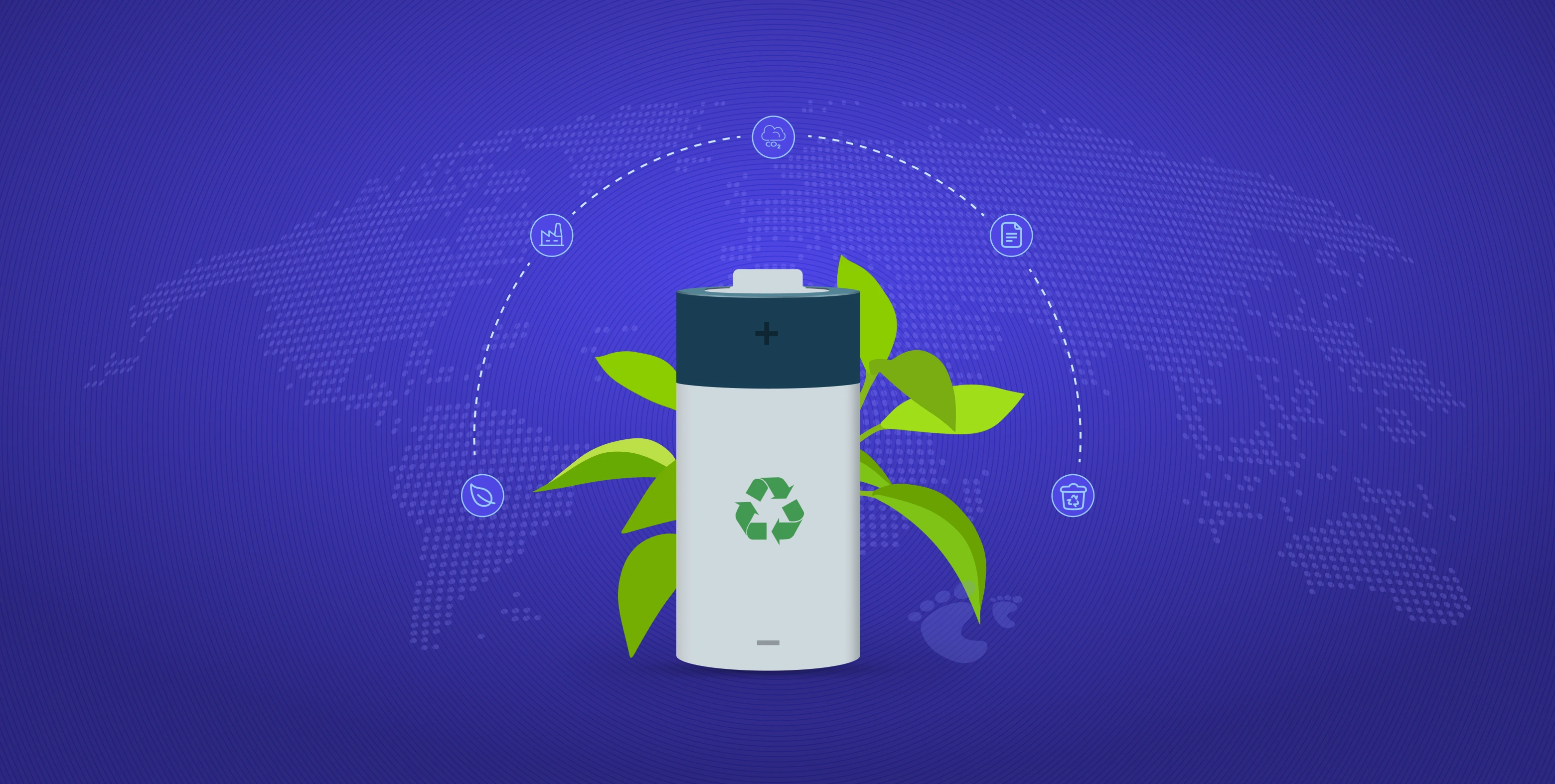
The role of battery passports in reducing battery environmental cost is served by documenting a transparent lifecycle and recyclability. Being a digital identity for each battery, this record details the origin of materials, manufacturing processes, carbon emissions, and proper end-of-life handling.
Batteries are everywhere in modern life. They power our phones, laptops, and increasingly, our cars. Yet behind the convenience they bring is a severe environmental burden. Mining lithium, cobalt, and nickel is resource-intensive. Manufacturing consumes vast amounts of energy. And when batteries reach the end of their life, too many still end up as waste. To meet these crises, the EU Batteries Regulation mandates a battery passport.
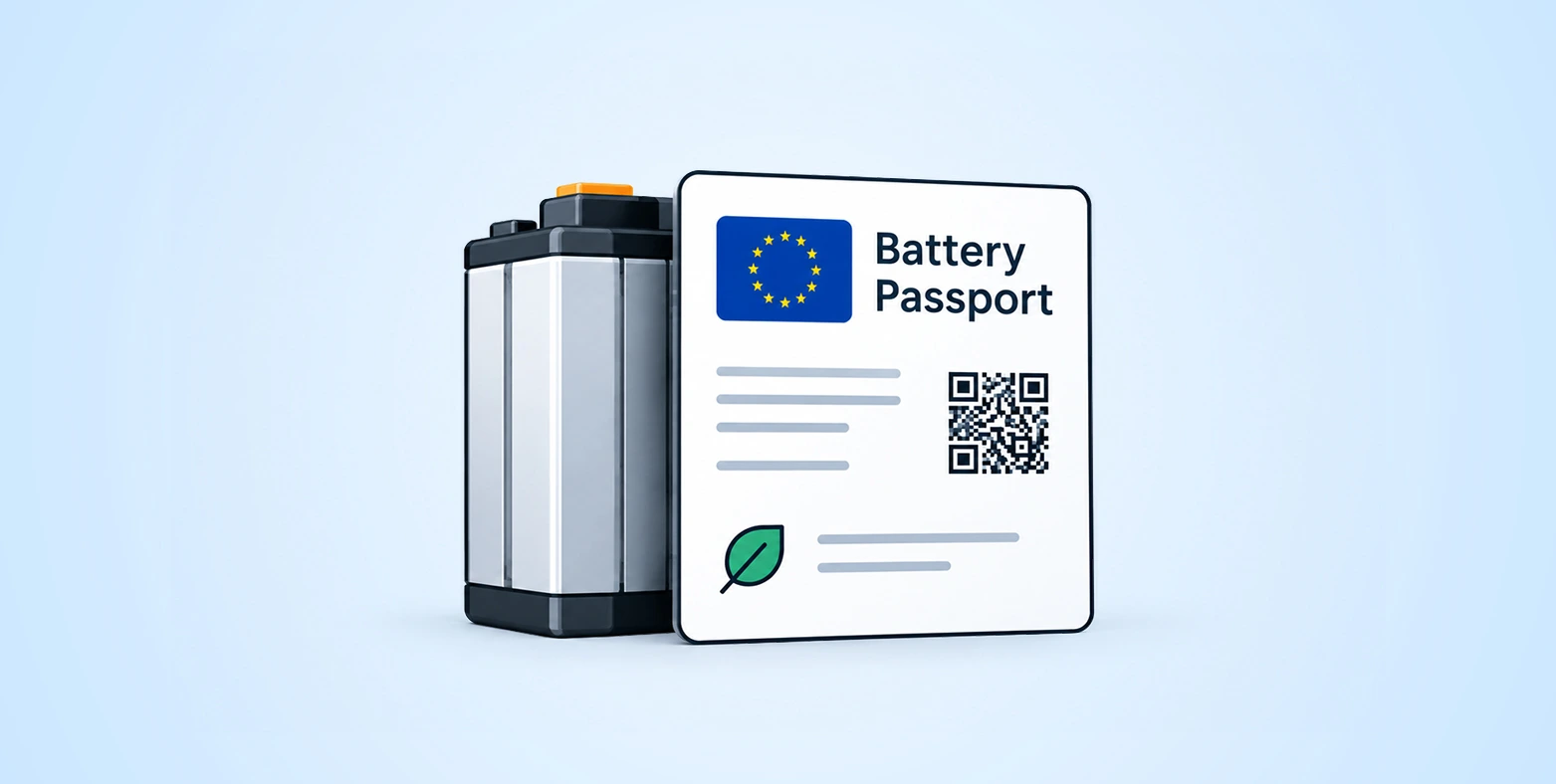
What makes battery passports powerful is the transparency they create. Most people buying an electric car or smartphone don’t know much about what goes into the battery. With a passport, this information can be accessed through a simple QR code. Suddenly, the hidden footprint of a battery, its sourcing, production, and recyclability, becomes visible.
This kind of product data can change the behaviour of manufacturers and consumers as well. For instance, when a manufacturer brings a battery with noticeably lower environmental impacts, the other will feel pressure to compete to bring environmentally friendly batteries to the market.
Consumers seeing batteries as less harmful to the environment will be more interested in purchasing responsibly sourced cobalt. Their informed and confident shopping will also lead to making a proper disposal decision.
The environmental cost of batteries comes from three main stages: extraction, production, and disposal.
The European Commission’s Green Deal policy package introduces some regulations to combat global warming and climate change. The aim is to turn Europe into the first climate-neutral continent by 2050, and the way is to turn a sustainable economy by reducing emissions. The package includes a promotion of green technologies and fairness for citizens via the European Climate Law and Just Transition Mechanism. The focus lies in cutting greenhouse gas emissions, making product disposal a resource for the environment instead of just landfills.
In 2020, the EU Circular Economy Action Plan (CEAP) came into effect as a part of the U Green Deal with a goal of decoupling economic growth from resource use, reducing waste, and promoting a sustainable economy by keeping products and materials’ longevity, reusability, and recyclability. The CEAP seeks to make sustainable products standard via new legislation, empower consumers with a "Right to Repair," boost circularity in key sectors like electronics and textiles, improve waste management, and foster a strong market for recycled materials.
The EU adopted the EU Battery Regulation in 2023, mandating digital battery passports for EV and industrial batteries in Europe by 2026. These passports will provide transparent, verified data on carbon footprint, material sourcing, and recycling potential, promoting sustainability and accountability. This initiative aims to establish a global standard for battery traceability, transforming the industry towards greater environmental responsibility worldwide.
The circular economy goal can be achieved by the proper implication of technologies, by digital product passports, battery passports: a transparent data space, where traceability becomes easier. These technologies help prevent greenwashing, keeping every stakeholder’s access to exchange immutable data with blockchain technology.
Battery passports reduce the environmental footprint by:
Battery passports are not a silver bullet, but they are a step towards aligning technology with responsibility. They won’t stop the world from needing batteries, but they can help ensure the ones we use are produced, managed, and recycled in more innovative ways.
As demand for batteries continues to soar, these passports could become one of the most effective tools we have to shrink their environmental footprint. By making the unseen visible, they give us a chance to hold the industry accountable—and to make choices that truly drive us toward a greener future.
.svg)

.svg)


.svg)
.svg)


%202026_1310.webp)