.svg)

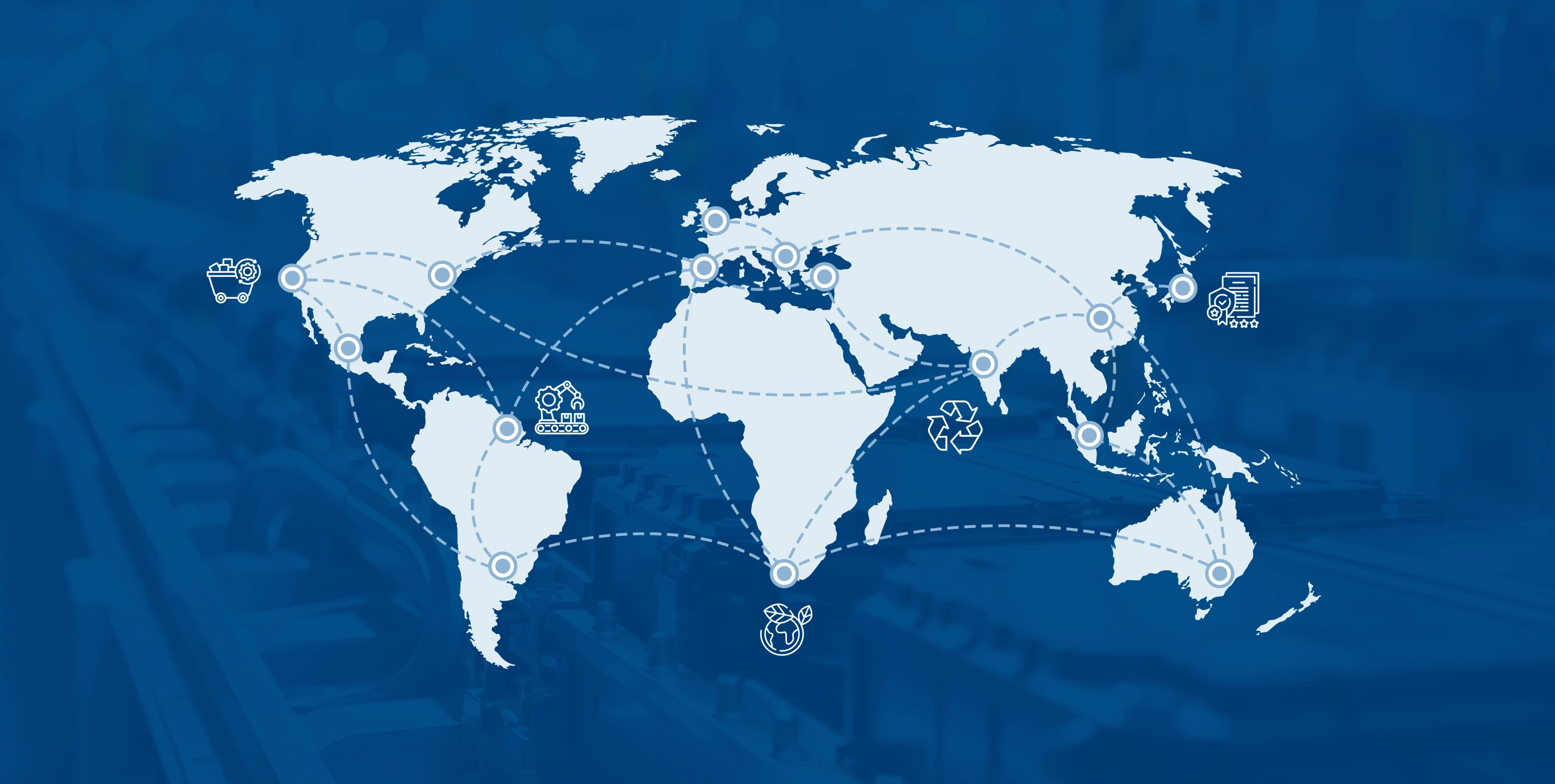
Battery supply chains are among the most complex in modern manufacturing—spanning multiple continents, non-transparent supplier tiers, and high-risk raw materials. Yet, with rising regulatory pressure, such as the EU Battery Regulation and increasing demand for traceability, companies can no longer afford limited visibility.
The challenge is not whether to map your supply chain—but how to begin without disrupting existing operations. Most mapping initiatives fail because they try to solve for Tier 4 (mines) before they’ve mastered Tier 1 (direct suppliers). This guide flips that script.
This guide outlines a practical, execution-focused approach to building supply chain visibility while keeping your business running smoothly.
Battery value chains involve:
Without structured mapping, organisations face:
Mapping is no longer a strategic advantage—it is becoming a baseline requirement.
A common misconception is that supply chain mapping requires complex system integration from the outset.
In reality, the most effective approach is:
Build visibility first using existing data and processes. Integrate systems only when necessary.
This reduces operational risk, accelerates progress, and ensures internal adoption.
Begin with what is already available internally.
A clear overview of direct (Tier 1) suppliers, forming the foundation of your mapping effort.
No operational changes are required at this stage.
Pro-Tip: Don’t wait for "perfect" data. ERP systems are notoriously messy. If a supplier name is misspelt or duplicated, move forward with the 80% that is accurate. You can clean the rest as you engage them.
Organise suppliers into a simplified value chain model:
A structured map that transforms fragmented supplier data into actionable visibility.
To gain meaningful insights, extend mapping into upstream tiers.
Keep engagement simple—use short questionnaires or structured templates instead of complex systems.
Progressive visibility into Tier 2 and Tier 3 suppliers without disrupting supplier relationships.
Not all parts of the supply chain carry equal risk.
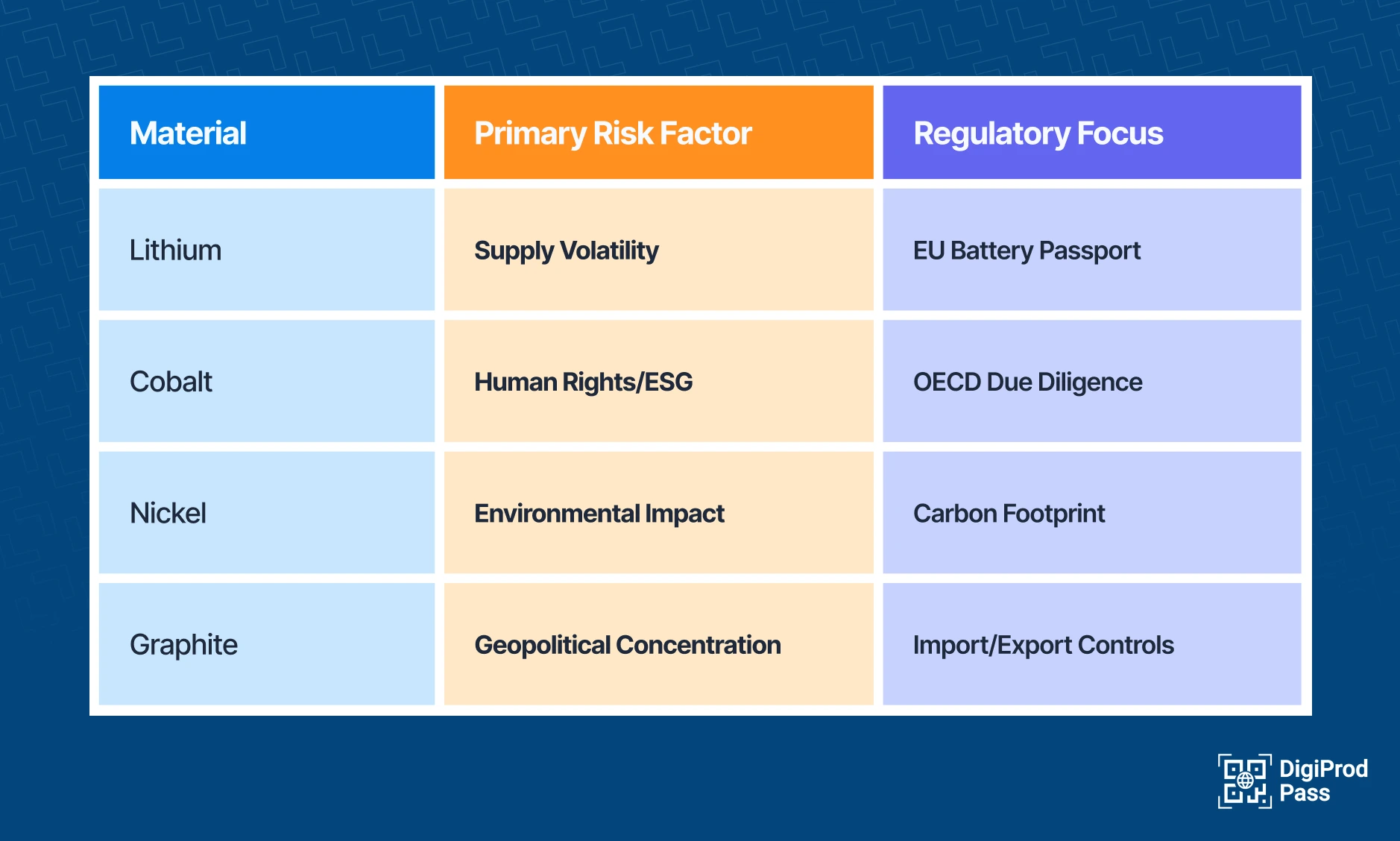
Effort is concentrated where visibility delivers the greatest value.
To avoid operational disruption, integrate mapping into existing processes.
Include structured questions such as:
Mapping becomes part of daily operations—not an additional burden.
Perfection is not required to generate value.
A functional supply chain map that evolves continuously.
Once internal structure and supplier engagement are established, digital solutions can enhance scalability.
Common platforms include:
Note: Digital tools are force multipliers, not magic wands. If your manual process is broken, software will only help you fail faster. Build the process first.
Technology should support an existing process, not define it.
Sustainable scaling without unnecessary system complexity.
Successful mapping requires coordination, not large teams.
Clear accountability with minimal organisational disruption.
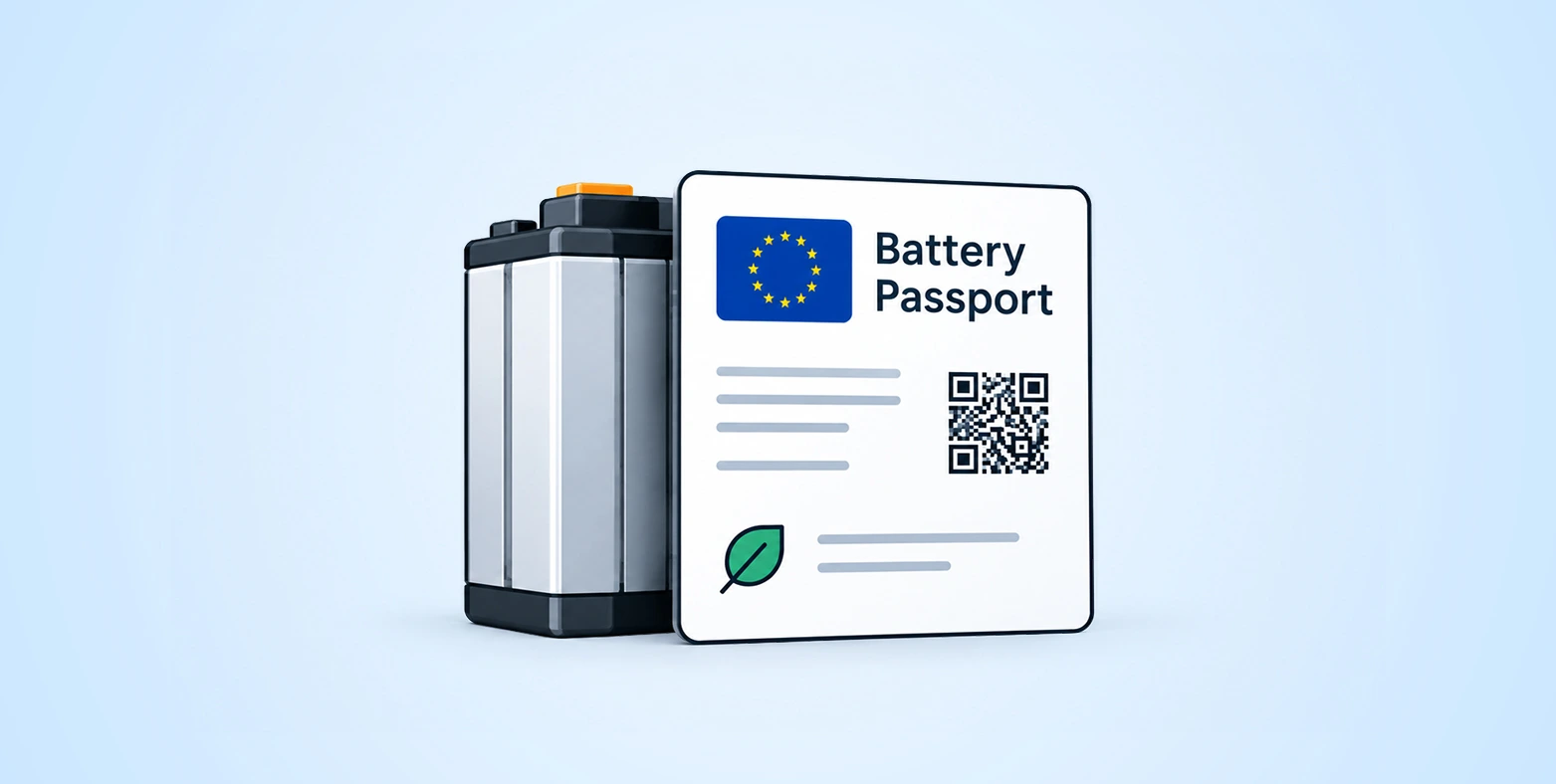
Frameworks like the EU Battery Regulation are driving the need for:
Action: Review your current documentation to ensure it aligns with the 2026 mandates. If you are unsure what is required for compliance, read our guide on Exporting Batteries to the EU: Documentation You Need.
Outcome: Early mapping positions organisations to:
A well-executed mapping initiative delivers:
All achieved without disrupting core operations.
Beyond Compliance: The Circular Economy Mapping your supply chain isn't just about meeting regulations—it’s about unlocking the future value of your assets. Accurate data is the key to proving a battery's health for reuse. Learn How Digital Product Passports Support Second-life Battery Markets.
Supply chain mapping is a journey of a thousand miles—but it starts with your existing ERP data. Which tier are you currently struggling to see?
Do we need to integrate new software to start mapping our battery supply chain?
No. Supply chain mapping can begin using existing internal data such as ERP exports, procurement records, and supplier lists. Digital tools can be introduced later, once a clear structure and process are in place.
How long does it take to build an initial supply chain map?
An initial Tier 1 and partial Tier 2 map can typically be established within 4–8 weeks, depending on data availability and supplier responsiveness. Achieving full multi-tier visibility is an ongoing process.
What level of visibility is considered “good enough” to start with?
A visibility level of 60–70% is sufficient to begin identifying risks, gaps, and dependencies. Waiting for complete data often delays progress without adding proportional value.
How do we get suppliers to share upstream information?
Start with simple, low-friction requests rather than complex system requirements. Short questionnaires, clear communication of purpose, and embedding requests into existing processes (e.g., onboarding or reviews) significantly improve response rates.
Sources
EU Battery Regulation (Official Text)
OECD Due Diligence Guidance for Responsible Mineral Supply Chains
IRMA (Initiative for Responsible Mining Assurance)
Global Battery Alliance – Battery Passport Framework
.svg)

.svg)

%202026_1310.webp)

.svg)
.svg)